Causes and effects of infectious respiratory diseases in calves
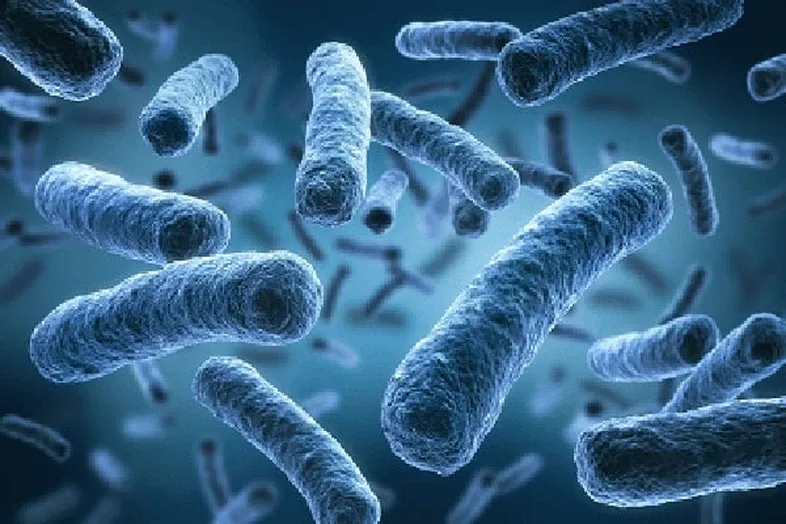
For respiratory diseases there are two different means of infection: viral infections and bacterial infections. Viral infections:
- BRSV infection
- Parainfluenza
- Bovine Virus Diarrhoea (BVD)
- Coronavirus infection
- Rhinovirus infection
Viral infections are usually spread through water droplets in the air. Climatic conditions inside and outside the stall are therefore very important during an outbreak. The most important of these viral infections is BRSV. Viruses do not react to antibiotics, so prevention has to be your goal.
Bacterial infections:
- Pasteurella infections
- Bronchopneumonia
- Salmonella infection
- Tuberculosis
Preventative vaccination measures have proven invaluable in practice. These are divided into passive and active immunisation. Infectious respiratory diseases have a negative impact on the welfare of calves and the profitability of the farm. Often therapeutic measures are not enough to get the problem under control. It is more important to take all the issues of housing, stall climate, care and hygiene, into consideration to successfully rear calves.
Immunisation – passive and active
Passive immunisation means that the calf gets formed antibodies, orally or parentally (by the parent animal). Passive immunisation is also possible via intramuscular injection. Natural, passive immunisation comes primarily from a fast and ample supply of colostrum. Colostrin, a product to improve colostrum, is available from Josera. You can also use a milk replacer (“IgluVital”), which contains immunoglobulins against certain pathogens, to provide the calves with optimum care in their first few weeks of life. In active immunisation active antibodies are formed by the animal itself when it is vaccinated with inactivated vaccines or attenuated vaccines. Attenuated vaccines do, however, have better results. However, only healthy animals can be vaccinated, and these may then develop a mild form of the disease, along with fever or loss of appetite, following vaccination. This method of vaccination has a delayed effect against pathogens, but it is also longer-lasting.
What preventative measures can you take against respiratory diseases?
Just as with preventing diarrheal diseases, when preventing respiratory diseases you should pay attention to these two points:
- boosting the calf’s preparedness against infectious and non-infectious diseases, e.g. when feeding the dry cows, with measures during the birth and by supplying colostrum.
- minimization of possible sources of infection with optimal housing. Here it is important to always ensure bedding is dry and to muck out regularly to reduce ammonia content and prevent draft.
→ Read our guidebook on hygiene in the calf stall
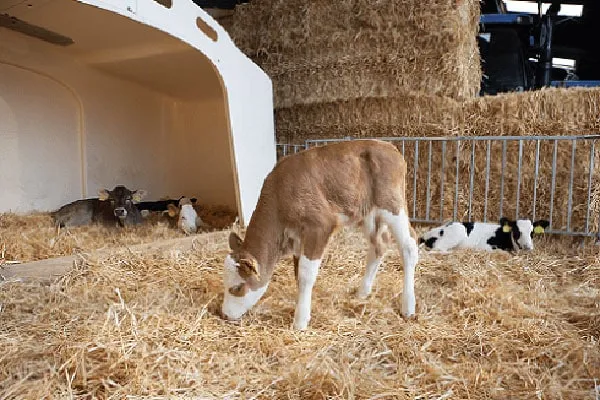
What can you do before a calf is born ?
Measures when feeding pregnant cows
- To prevent birth problems, when drying off the cows should have a BCS of 3.5.
- Start paying attention to body conditioning in the final lactation stage.
- 2-3 weeks before the calving they should be fed a needs-based transit ration, and 2-3 weeks after the calving an early lactation ration.
- To prevent stillborn or weak calves a needs-based feed with trace minerals should be considered during the dry period. As dry matter intake is very limited in this period everything must be done to keep the rumen working.
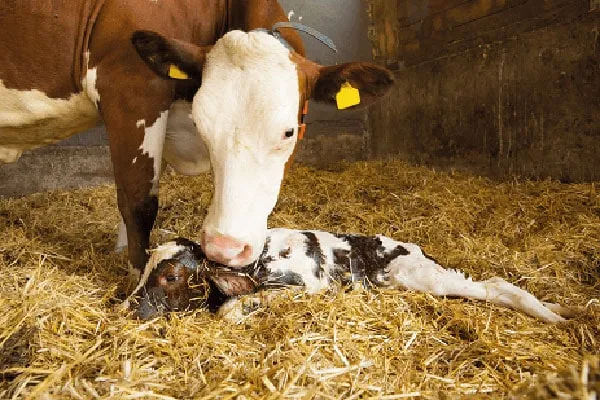
Measures during the colostrum phase
- Colostrum as early as possible
- As much colostrum as possible
- If necessary, drench calves that won´t suckle
- Build up a colostrum pool in the freezer (use flat containers, gently thaw at max. 45°C)
- Dispensing colostrum over several days has benefits; immunoglobulins can, admittedly, no longer enter the blood stream but can have a great effect against infections in the intestines (see, e.g. special milk replacer “IgluVital”)
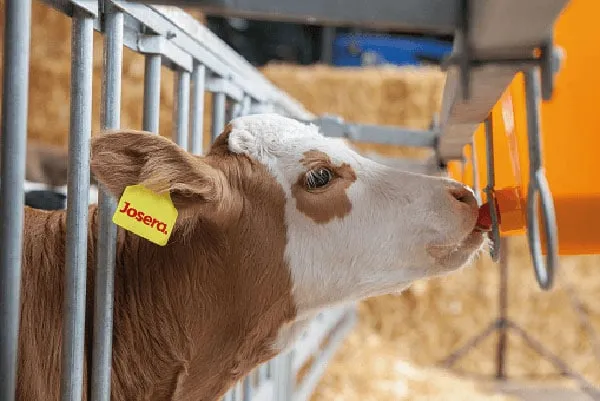
Measures when housing
- Draught free, dry air free from pollution.
- Outdoor climate conditions are beneficial.
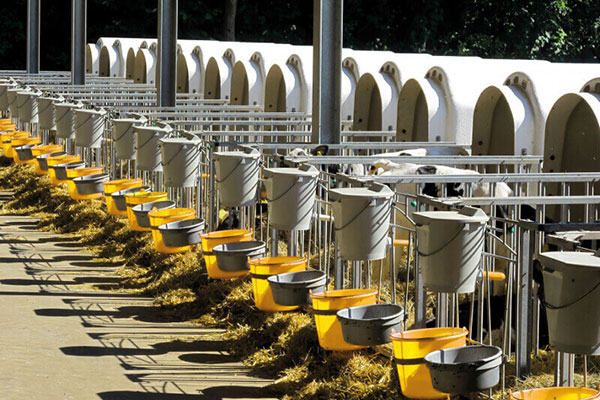
- Individual igloos and group igloos with canopied run-outs or shed roof stalls with wind nets have proven to be the best solutions.
- In old stalls the climate can be improved by having less calves per m2or reducing the time between manure removals, which is, however, often a compromise.
- Regularly cleaning the stalls and igloos.
- Regularly disinfecting the stalls and igloos.
- Regularly control pests such as rats, mice and flies
Conclusion
Slower weight gain, excess expenditure, longer rearing periods, increased risk of miscarriage, a later first calf age and a later start to milk production in the case of a respiratory disease should all prompt us into doing everything we can to reduce the risk of illnesses in the calf stall to zero. When an infection arises, action must be taken immediately and without compromise.
“Read our guidebook about management rules around the birth of your calf.”